.png&w=640&q=75&dpl=dpl_ofCkd2cTsgcCgU9J1yzD6Fb5sVFw)



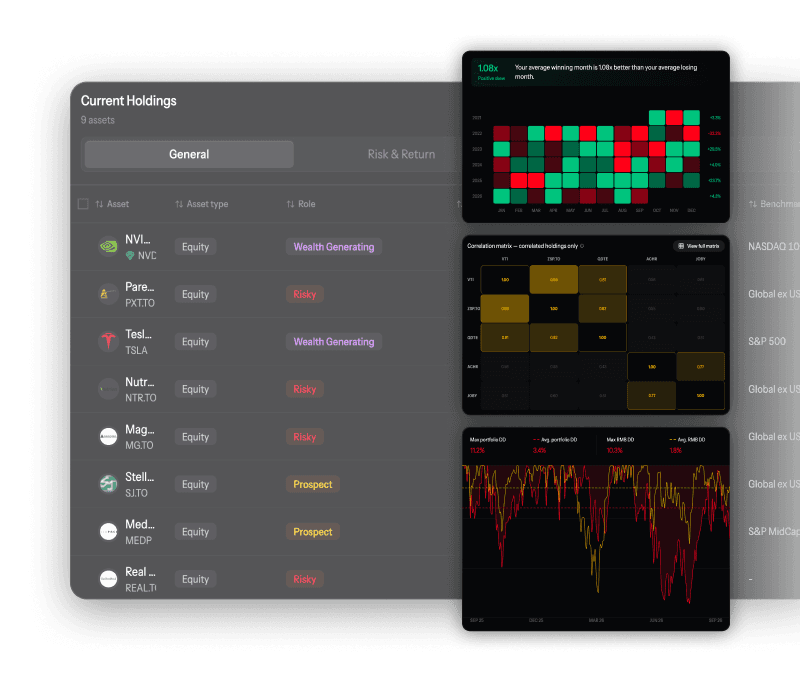
 Portfolio Analysis
Stress test your current holdings.
See risk concentration, hidden correlation, and benchmark returns against your actual risk.
Learn more
AI for next-era investing
Exent brings institutional-grade research to self-directed investors building lasting wealth.
4.8/5 · 396 customers

 Best Institutional-Style
 Exent AI Beat
 The Smartest
3 core modules for growing your wealth.
Portfolio AnalysisSee risk concentration, hidden correlation, and benchmark returns against your actual risk.

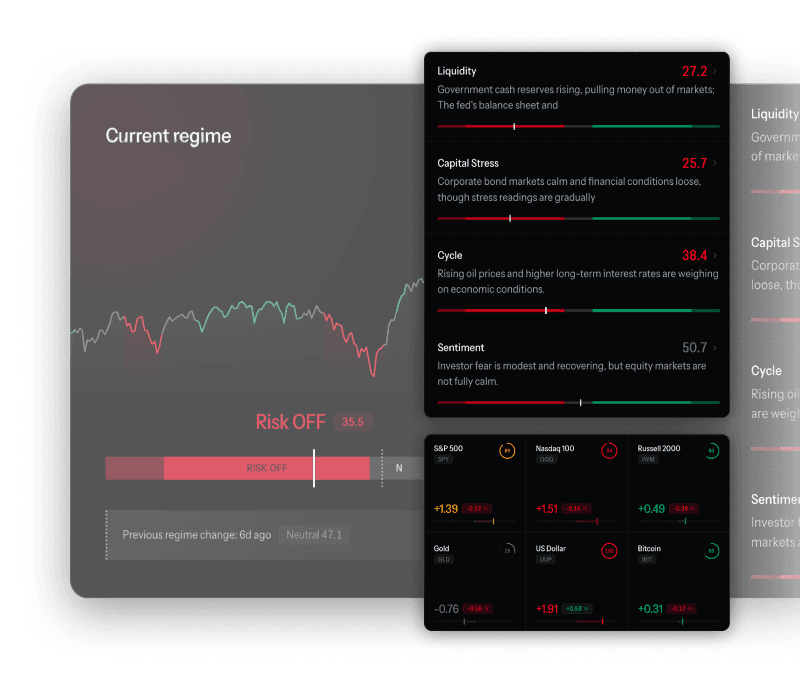
 Predictive Market Intelligence
Get a macro score that tells you when to lean in and when to step aside from the market.

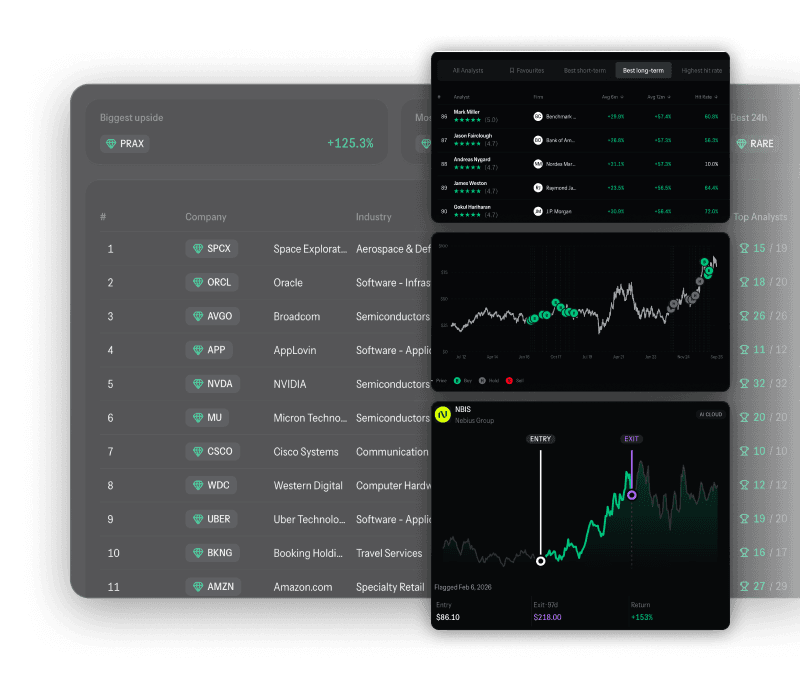
 Stock Radar (Gems)
Get highest-potential stock picks by elite analysts from top Wall St. firms.



 | Bloomberg | Advisor | |
|---|---|---|---|
| Full portfolio risk report |  | | Varies |
| Crash test on your holdings | | | Varies |
| True diversification check | | | Varies |
| Risk-matched benchmark | | |  |
| What-if simulator | | | |
| Market intelligence | | | |
| Top analyst tracking | | | |
| Curated opportunities (Gems) | | | |
| Investing academy | | | |
| Plain-English results | | | |
| Works from a screenshot | | | |
| No sales pitch or commissions | | | Varies |
| Ready in about a minute | | | |
| What you pay | $1.95 | $24,000+/yr | ~1%/yr of assets |
4.8/5 · 396 customers
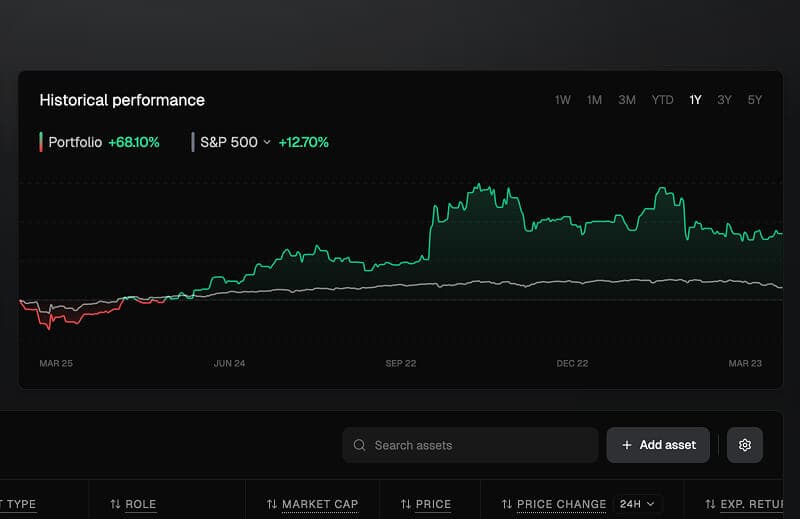
Brian T.


Exent pinpointed blindspots in my allocation I didn’t realize existed. lt revealed how overexposed I was with ARKK, made adjusments, increased portfolio returns by 23% instantly. Exent showed AMD weeks before the action, sold after +78% profit.
Mathew D.
I always got in late but Exent AI cleaned up my allocations and found opportunities I usually miss and now I invest with more clarity and confidence. Exent also pointed out ORCL’s shift to AI early, it's currently +49% in profit.
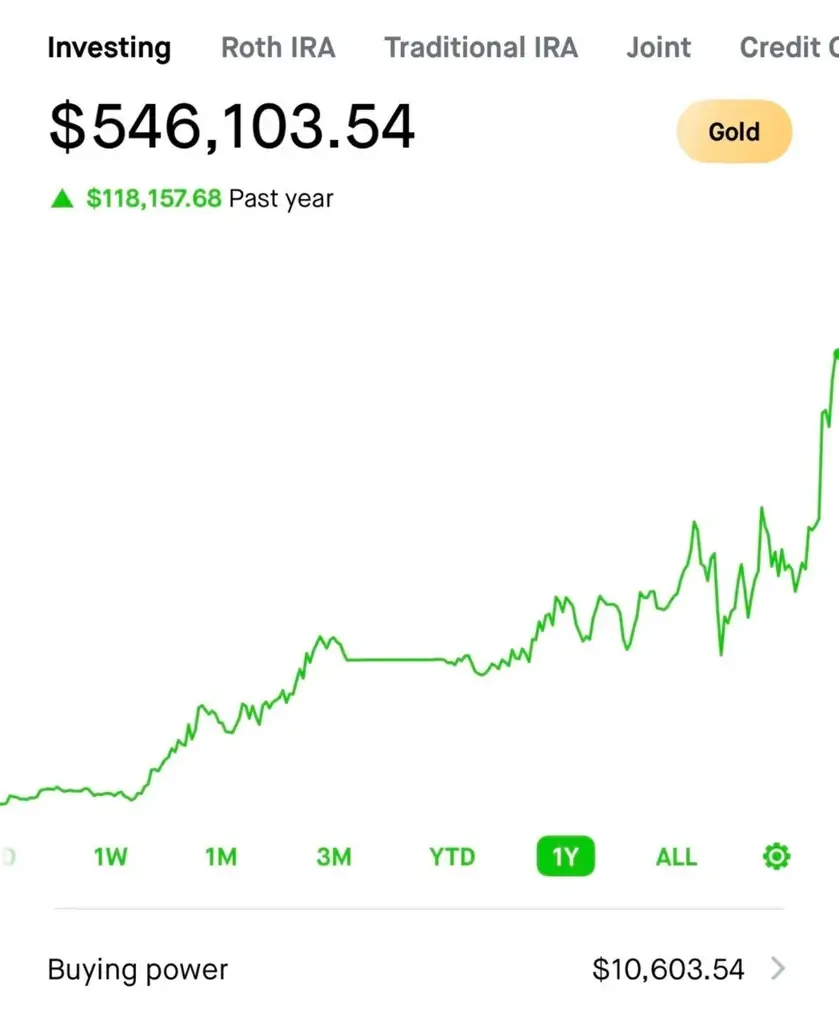
Bryan M.
I’m analytical but even I missed several allocation issues that EXENT caught instantly and those adjustments brought additional +22.4%. Also, I've got DFDV and USARW recommended up in my gem scan.
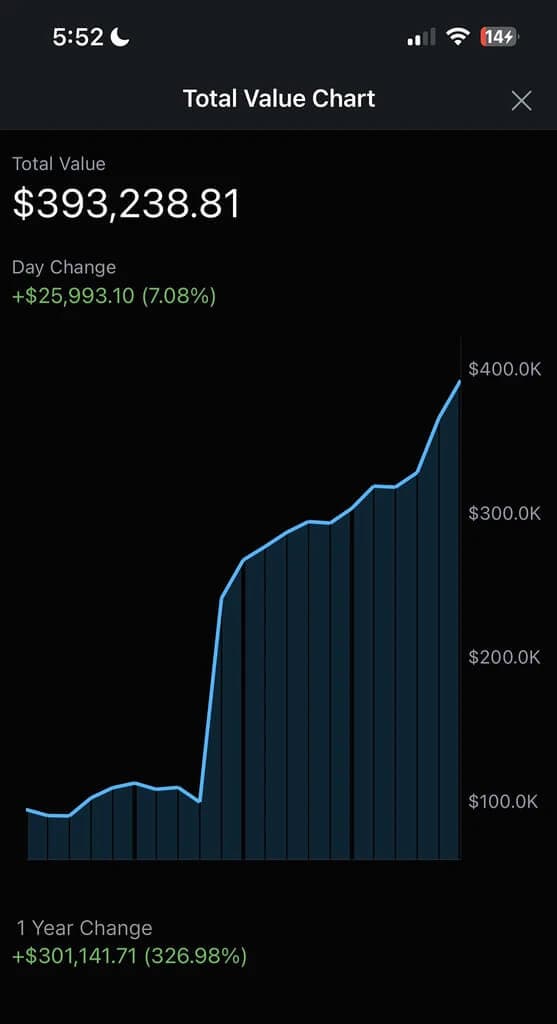
Justin M.
I thought I was diversified but Exent exposed hidden correlations gave me a smarter structure. APP looked boring until Exent called it a momentum gem. I closed this position up 322% :))
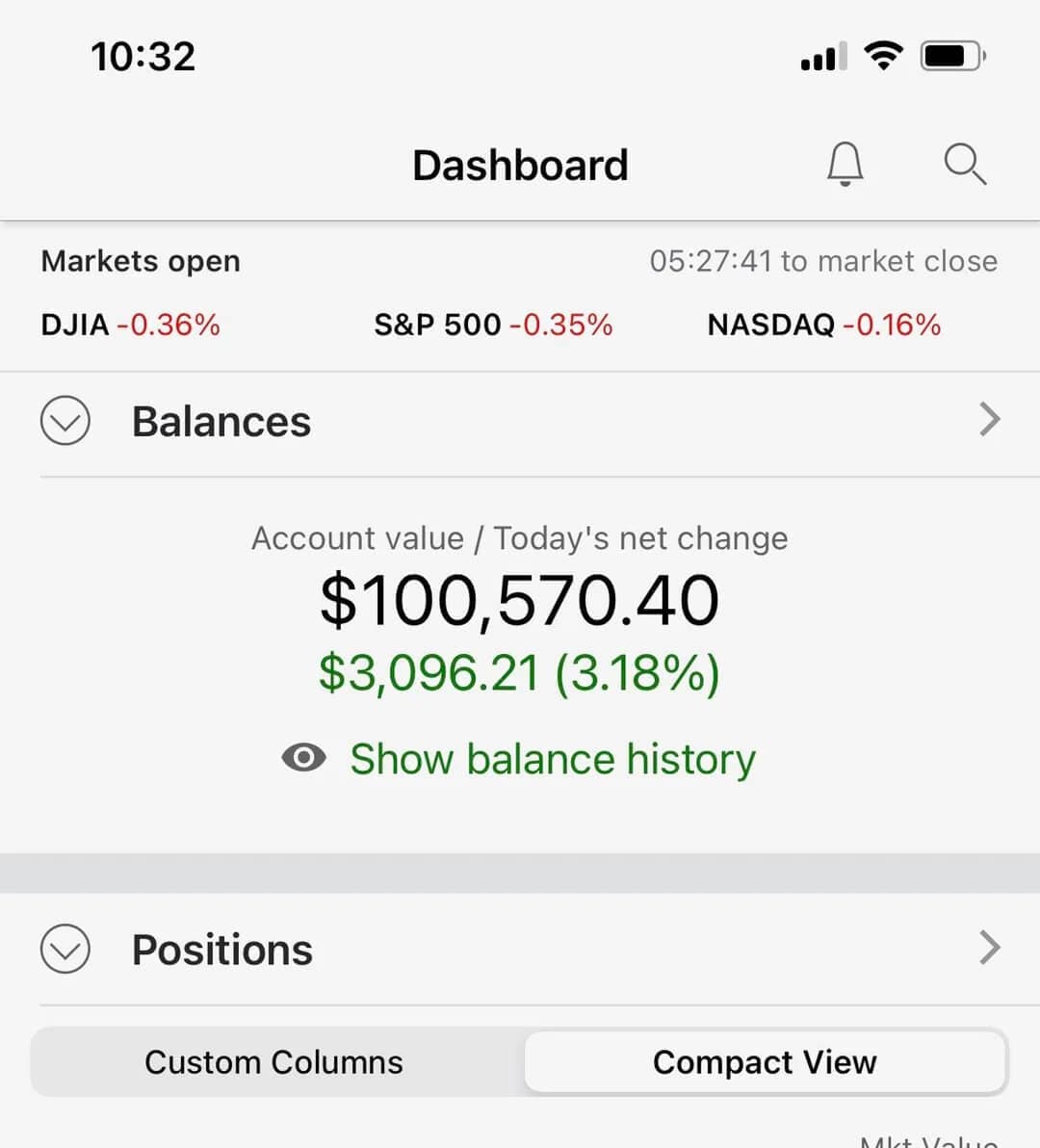
Joseph R.
My returns were decent but inconsistent and after applying the adjustments the volatility dropped and growth improved even more after adding PLTR and SMCI early thanks to gems radar, insane find.
Nicholas B.
The insights were practical and specific and Exent showed me exactly what to change while the gem radar found SMCI (now +174%).
David R.
I've spent my career making decisions based on probabilities, not opinions. What convinced me wasn't the return, it was the drawdown. Losing 20% and losing 34% are completely different experiences when retirement isn't far away. The historical data was objective, easy to understand and exactly what I was looking for.

Thomas W.
I used to spend hours reading market commentary. Inflation. AI. Elections. Wars. Every expert had a different opinion. Now I only ask one question: Is this a Risk ON, Neutral or Risk OFF market? That's become my investment process.

Richard H.
I always avoided leveraged ETFs because I thought they were speculation. Reading how the Flagship model only increases exposure during confirmed Risk ON periods completely changed my perspective. Most of my money remains in the standard strategy, but allocating a smaller portion to Flagship made perfect sense.

Michael T.
Since retiring, I’ve worried about selling investments during a bad market just to cover expenses. Exent gave me a clear signal to review our exposure before fear took over. I also like knowing what to watch for when conditions improve.
Carol M.
My husband used to make our investment decisions, and managing the account alone was intimidating. The Predictive regime made the first question simple: what kind of market are we in? I still make my own decisions, but I don’t feel I have to understand every headline.
Thomas H.
As a retired engineer, I wanted to understand the rules behind any system I might follow. Exent explained its risk approach clearly enough for me to evaluate it. I may not agree with every signal, but I know what it means and how I’ll use it.
George L.
I thought owning dividend stocks meant I had the defensive part of investing covered. Market intelligence made me look at how far those stocks could still fall in price. I haven’t given up dividends; I just manage the overall exposure more thoughtfully.
Mark D.
I reacted to tariff news twice and regretted both trades. Market intel gives me a reason to pause and assess the wider market. A headline can still matter, but it no longer makes the decision for me.
Peter N.
New market highs always made me want to wait for a cheaper entry. Market intelligence helped me see that a high price alone isn’t a complete risk assessment. Now I check the market environment alongside my allocation instead of assuming I’ve missed my chance.
John P.
I spent years hearing that a recession was just around the corner. The Macro regime gave me a more useful question: what are conditions showing now? That shift helped me stop holding cash simply because a forecast sounded convincing.
Brian W.
I’ve always handled our investments, but my wife wanted to understand what we’d do if markets fell. Exent market intel helped me explain our process in plain language. We can both check the risk level, so the plan no longer lives only in my head.
Paul and Denise C.
Denise is comfortable taking more risk than I am. Exent helped us agree on a standard core and a small portion we could manage more aggressively. We use its risk signals to review that smaller allocation instead of reopening the same debate every week.
Alex M.
I used to judge every strategy by its annual return. Exent’s drawdown explanation made me look at what I would have had to endure to earn it. Now I ask whether I could actually stick with the risk I’m taking.
Emily D.
In 2022, I watched both my stocks and bonds fall. The Macro regime helped me see that my allocation alone wasn’t a complete plan for changing conditions. I now check the broader risk environment when reviewing my portfolio.
Olivia S.
I always believed I could simply stay invested through any decline. Then I experienced one that kept me awake at night. Exent market intel helped me set a more realistic approach to risk while I was calm, before the next difficult period.
Richard P.
I used to dismiss leveraged ETFs as gambling. Exent’s explanation of using higher exposure under defined conditions made me reconsider a small allocation. I’m still conservative with most of my savings, but I understand how Flagship could fit within limits I set.
Eric V.
I’m young enough to tolerate more volatility, but I don’t want “long time horizon” to be my only risk rule. The Macro regime gives me a structured way to review the higher-risk portion of my portfolio as conditions change.
Laura J.
I invest almost entirely in ETFs, so I wasn’t looking for stock tips. Exent answered the question I actually had: should I review how much market exposure I’m carrying? Its signals give me a practical way to manage an otherwise simple portfolio.
Rebecca A.
After making decisions all day at work, I had little energy left for conflicting market opinions. Market alerts made my review manageable: see what changed, then decide whether my allocation needs attention. That’s a process I can keep up with.
Victor H.
I journal every portfolio change. Since adding the Predictive regime reading to my notes, I can see when I acted because conditions changed and when I acted because I was nervous. That has made me more honest about my decisions.
James W.
I once moved to cash during a decline and waited far too long to reinvest. Exent helped me put a re-entry condition into my plan. I still find recoveries uncomfortable to trust, but I’m no longer waiting for the news to sound cheerful.
Philip R.
I used to think every market decision meant going all in or all out. Exent’s Neutral reading helped me think about a measured middle position. That has made uncertain periods easier to manage because I have more than two choices.
Lisa C.
My business already puts a lot of my financial life at risk. The Macro regime helped me look at my investment account with that in mind. I use its readings to review whether I’m taking too much market risk when work also feels uncertain.
Thomas A.
My military background taught me that a plan only helps if you can follow it. The Predictive regime gives me straightforward market conditions to work with. I don’t expect every signal to be perfect, but I value knowing what I’m responding to.
Sarah V.
I tried newsletters that were always certain about what would happen next. Exent has been more useful to me because it starts with current conditions. Its Risk ON, Neutral and Risk OFF readings give me something specific to use when reviewing my portfolio.
Melissa D.
I owned NVDA directly and through three funds. Exent finally showed me the combined weight.
Daniel M.
ALAB caught my eye in the gem scan. The portfolio report showed I was already heavy in AI, so I started with a smaller position.
Priya N.
Exent showed that my defensive allocation had drifted well below my target. I rebalanced before looking at new gems.
Marcus J.
My “small bet” was 14% of the account. Exent helped me see it for what it was.
Sofia L.
I was researching AVGO, but Exent showed my semiconductor allocation was already above the limit I’d set. It saved me from breaking my own rule.
Ethan P.
My IRA and brokerage account repeated the same exposures. Seeing them together in Exent changed how I allocate new money.
Hannah M.
I thought I had room for MU. Exent showed how much I already owned through my ETFs, so I reviewed the total before placing an order.
Patrick D.
I had no plan for my cash balance. Exent made me decide what job that money was meant to do.
Claire B.
The account looked tidy in my brokerage app. Exent found the concentration beneath the clean list of tickers.
Adam W.
I reduced one oversized AI position after Exent showed how much of my account depended on that theme.
Catherine P.
I sized stocks by confidence. Exent showed me that I also needed a limit for the themes connecting them.
Nathan E.
I found COHR through Market intelligence, then checked whether it added a new opportunity or just another AI infrastructure bet.
Vanessa H.
Exent surfaced AXON while I was trying to broaden my watchlist. It gave me something to research outside my usual semiconductor names.
Owen T.
NVDA, AVGO and my semiconductor ETF weren’t three separate sources of diversification. Exent helped me see the combined bet.
Alicia K.
Twenty stocks, one crowded theme. The correlation view changed my position sizes.
Chris N.
I set a total limit for AI exposure after Market intel grouped the related positions together.
Kimberly V.
More tickers hadn’t made my account safer. Exent showed that the underlying risks were still concentrated in two themes.
Anthony J.
My top three ETFs leaned on the same companies. I changed one after seeing the combined exposure.
Nina C.
I owned three versions of an AI trade. I kept the one I understood best and reduced the others.
Alex D.
Different sector labels had given me a false sense of balance. Exent showed how much still depended on large growth stocks.
Rosa L.
Before I bought another AI name, Exent showed that it wouldn’t add much variety to what I already owned.
Trevor A.
My account sometimes behaved like one big position. The correlation view showed me why.
Monica F.
I liked that Exent showed the overlaps without assuming they were all mistakes. I decided which ones I meant to own.
Paul E.
I liked my returns but hated the swings. Exent showed which positions were driving both.
Samantha P.
My hedge wasn’t balancing the risk I thought it was. Market intelligence helped me see its actual role.
Ian B.
I said I could handle volatility. Seeing my actual portfolio’s drawdown risk made me lower one position.
Veronica S.
Exent showed my downside risk in dollar terms. That made the decision about position size feel real.
Oscar N.
The stock I worried about most wasn’t my biggest risk contributor. Exent redirected my attention.
Jenna W.
Exent helped me make a correction plan: what I’d keep, what I’d review and which changes in conditions would make me reassess.
Marcus E.
My portfolio looked great in a rising market. Exent’s drawdown view showed what I was risking for that upside.
Gina M.
An 18% position was dominating my drawdown risk. I still liked the company, but I didn’t want it setting the mood for my entire account.
Nick S.
My speculative sleeve had grown past its limit. The drawdown analysis prompted me to bring it back.
Marina D.
A Market alert got me to review an allocation I’d been ignoring. I made the decision after checking the full report.
Daniel F.
I thought I needed a better stock. Exent showed I needed better position weights first.
Sophie H.
I had good picks and inconsistent sizing. Market intelligence made that obvious.
Brendan R.
I found COHR in the gems feed, then ran it through my portfolio review. The idea looked interesting, but checking its fit helped me choose a measured position.
Joanna T.
I now ask whether a potential return is worth the additional risk. That question was missing from my old process.
Thomas A.
Three accounts, three conflicting strategies. Seeing them together helped me fix that.
Leah W.
I used to revisit a stock only after a dramatic price move. Market intel gives me a reason to review its role in the portfolio sooner.
Ryan G.
Exent showed that a fund I’d held for years no longer served the purpose I bought it for. I changed the allocation.
Rachel V.
ALAB wasn’t on my watchlist until I saw it in Exent market intel. The portfolio report kept my AI position sizing grounded.
Jonathan P.
COHR introduced me to the optics side of AI infrastructure. Exent also showed how much of that broader theme I already owned.
Tina H.
WDC appeared during my storage research. Exent helped me check its overlap with the hardware stocks I owned.
Leo D.
BKNG stood out because nearly every name on my own watchlist was technology. I welcomed a different kind of business to research.
Alice N.
MRVL looked interesting, but Exent showed my semiconductor allocation was already full. I added it to my watchlist.
Andre C.
AXON wasn’t a company I would have found with my usual screens. Exent put it on my research list.
Becca T.
RKLB caught my attention. Exent’s risk view helped me set a strict limit before I considered buying.
Aaron B.
DASH showed up in Market intel and made me revisit a business I’d previously ignored.
Emily J.
NXPI came up while I was comparing chip companies. Exent helped me check whether I had room for another.
Brandon N.
SNDK looked promising, but Exent showed I already had substantial storage exposure. I reviewed my WDC position before adding anything.
Nina H.
NBIS and ORCL showed me two very different ways to research AI cloud. Exent helped me check how either would fit my portfolio.
Adam P.
RKLB was exciting, but the risk view kept me focused on the size of the position rather than the story alone.
Olivia F.
HWM was a useful aerospace idea in a watchlist that had become almost entirely technology.
Henry V.
ORCL came from the gem scan. I liked having an infrastructure idea to examine without automatically adding another chipmaker.
Alexis W.
Exent is easy to use and makes my investment research feel much more organized.
Patrick H.
Exent makes it easier to go from “this stock looks interesting” to actually researching it. I like being able to check the idea against what I already own.
Helen R.
Exent has become part of my weekly investing routine. It’s straightforward and gives me something useful to review each time.
Nathan T.
Simple to navigate and genuinely helpful when I’m sorting through investment ideas.
Priya L.
The portfolio insights are what keep me using it. They make it easier to understand what I own before I look at the next opportunity.
Thomas N.
Exent pulls my research and portfolio review into one place. I can move from an interesting pick to checking its effect on my allocation without losing track of the bigger picture.
Monica G.
Easy to use. The portfolio report made sense on my first read.
Robert F.
The picks regularly give me something new to research, and the interface makes the process pleasant.
Kara M.
Clean design, clear explanations and useful ideas. I’m glad I tried it.
Peter W.
I can get a useful overview in a few minutes and go deeper when an insight catches my attention.
Melissa H.
I enjoy using Exent because the ideas and portfolio insights connect. A pick is more useful when I can see how it might fit with what I already own.
Samuel B.
Good platform. I particularly like being able to check a new idea without losing sight of my overall allocation.
Beth A.
Market intel gave me a calm way to review risk during an election week. I stopped treating every poll as a reason to trade.
Evan A.
I used to wait for a perfect entry after every correction. The Predictive regime gave me a condition to watch for re-entry.
Holly A.
I work long shifts and rarely catch market news live. Market alerts tell me when it is worth sitting down to review the portfolio.
Kyle A.
I still make my own allocation decisions, but Market intelligence gives me a consistent starting point.
Nora A.
Exent showed that my two growth ETFs and my largest stock were effectively one crowded position. I reduced the overlap.
Quinn A.
Market intelligence surfaced COHR while I was researching AI infrastructure. I checked the idea against my existing chip holdings first.
Tara A.
Exent showed that my dividends were coming from a narrow set of sectors. I reviewed the income and the concentration together.
Wendy A.
I took a 41% gain on an ALAB position I found through picks. Exent also helped me keep that trade within my AI allocation limit.
Zane A.
The correlation view helped me see that my supposedly defensive holdings were moving with the rest of my account.
Cora A.
The gem was APP for me. I researched it, bought a measured position and closed it with a 58% gain.
Felix A.
I found WDC in the picks, but Exent showed my storage exposure was already high. I added it to a watchlist instead of buying.
Iris A.
Exent helped me decide whether a new stock would improve the portfolio or simply add another name to the same theme.
Logan A.
I closed an ORCL trade with a 36% gain after finding it through strong buys. The position stayed within the limit I had set in Exent.
Olive A.
Exent found that my hedge did little against the specific risks in my largest positions. I changed the hedge rather than assuming it worked.
Shane A.
The strong buys surfaced STX during my storage research. I compared it with SNDK and WDC instead of buying the first name I saw.
Vera A.
I thought my international exposure was meaningful. Exent showed that most of it came from US funds holding global companies.
Zoe A.
The portfolio report showed that my largest ETF repeated stocks I already owned. I changed the fund, not the individual companies.
Caleb C.
The correlation analysis explained why my software stocks tended to fall together. I set one limit for the entire group.
Gavin C.
I made a 53% gain on AVGO after researching it from the picks list. Exent kept me aware of the chip exposure I already had.
Jenna C.
The gems list led me to ARGX. I researched the healthcare business and added it to a watchlist outside my normal sectors.
Miles C.
A 67% gain on SNDK started with a gem I almost skipped. I researched the company and used Exent to keep the position within my hardware limit.
Quinn C.
I was looking for opportunities beyond AI. Strong buys put UBER on my research list and the allocation view helped me assess the fit.
Tara C.
Exent showed that my five largest positions represented 54% of the portfolio. I now check that figure before adding to a winner.
Wendy C.
I found DASH through gems and researched it as a consumer business. That was a welcome change from my usual technology names.
Zane C.
The correlation view helped me avoid buying a fund that looked different but owned many of the companies I already held.
Cora C.
My portfolio had several good stocks but poor weights. Exent made that clear without asking me to replace every holding.
Felix C.
The risk report found a cluster of positions sensitive to the same interest-rate move. I reduced the overlap.
Iris C.
I found QNT among the picks. I kept it on a speculative watchlist after Exent showed how much volatility was already in my account.
Logan C.
The insights helped, though two risk flags needed clearer explanations. I still found the allocation report useful.
Olive C.
The report showed how much cash had accumulated without a purpose. I gave it a target rather than letting it drift.
Shane C.
I closed an APP trade with a 71% gain after it came up in picks. Exent helped me monitor its growing weight along the way.
Vera C.
The gems list surfaced CVS when nearly every name I followed was technology. I used it to start a fresh healthcare review.
Zoe C.
I found AXON in picks, then used Exent to check whether it added a new risk or balanced my existing holdings.
Diana D.
The strong buys included WDC. I compared it with SNDK and my storage ETF before deciding whether to add anything.
Gavin D.
The portfolio analysis showed that my best year had left me more concentrated than before. I rebalanced while the decision was easy.
Shawn B.
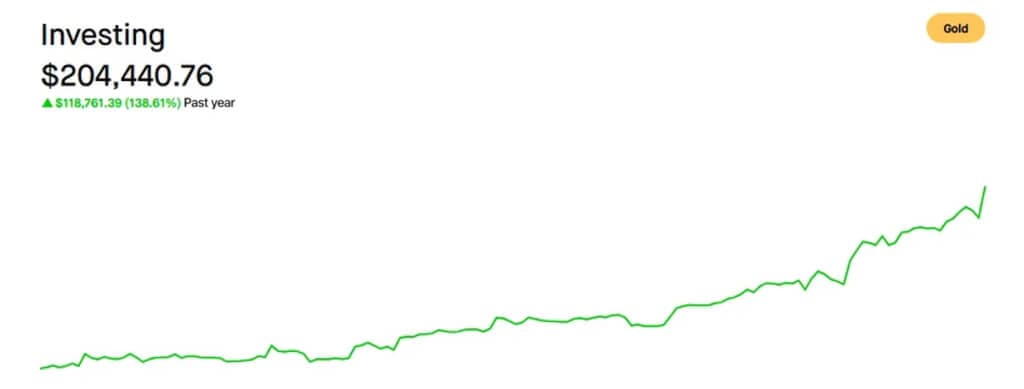
My portfolio was scattered and EXENT reorganized it and improved its efficiency showing where I was overexposed. It also surfaced NVDA weeks before the rally. My best performing position this year.
Anthony M.
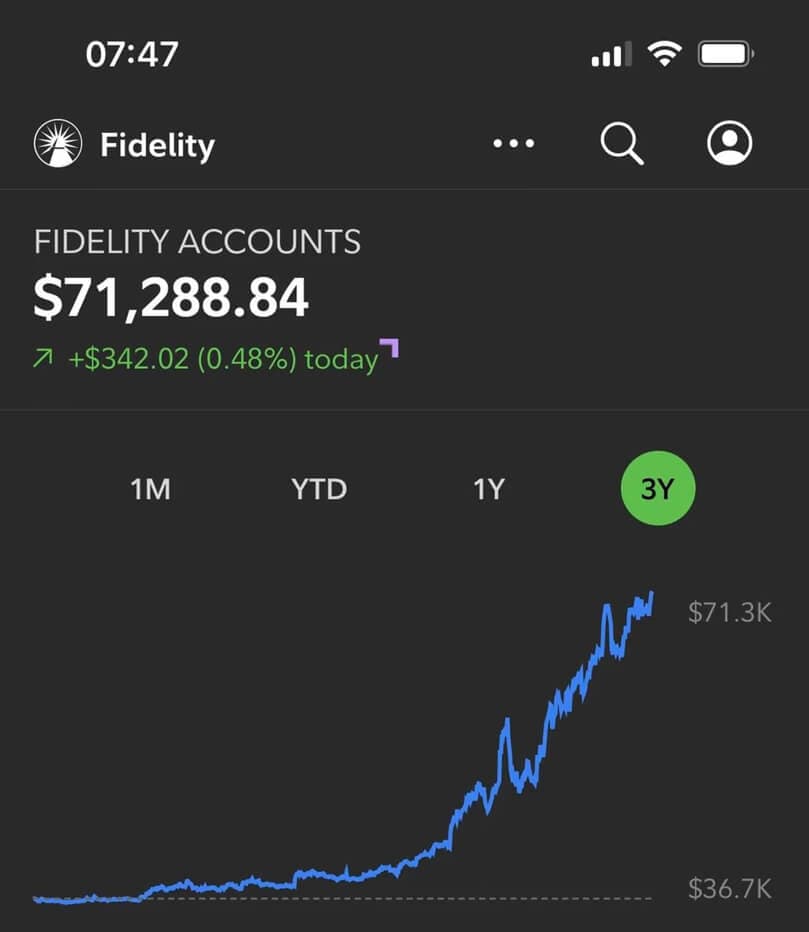
My holdings were solid but I knew I could do better and Exent reduced overlap improved the returns by 36.7% in 3 months. It also surfaced 2 new gems that eventually doubled. One of them was PLTR :)
Russell J.
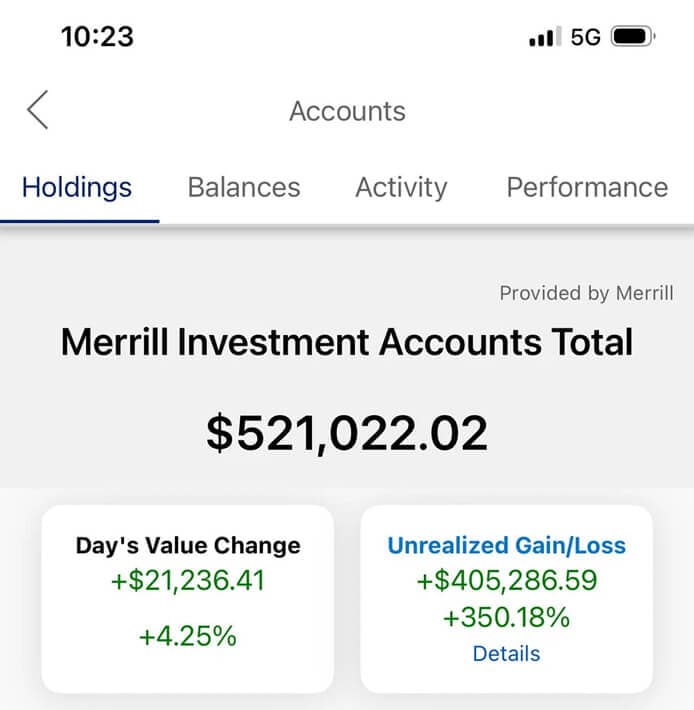
My old portfolio looked fine until EXENT broke it down and fixing the inefficiencies paid off. Rigetti Computing was my top performing gem.
Michael H.
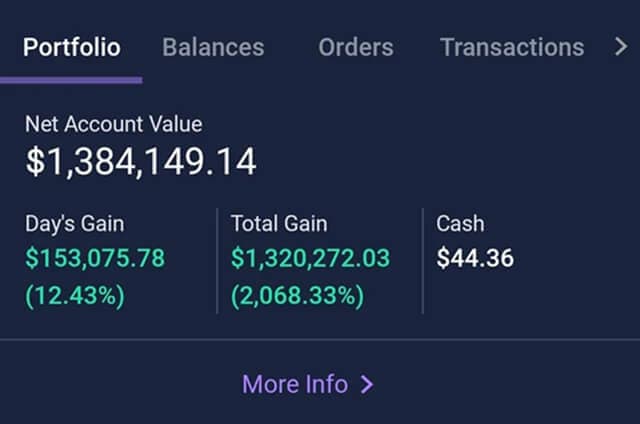
The clarity from the report changed everything and I now know exactly what drives my portfolio.
Kevin L.
Exent replaced all tools I used before. The AI spotted correlations I never saw in my own portfolio and helped my fix the risk/return. I'm up 62% YTD.
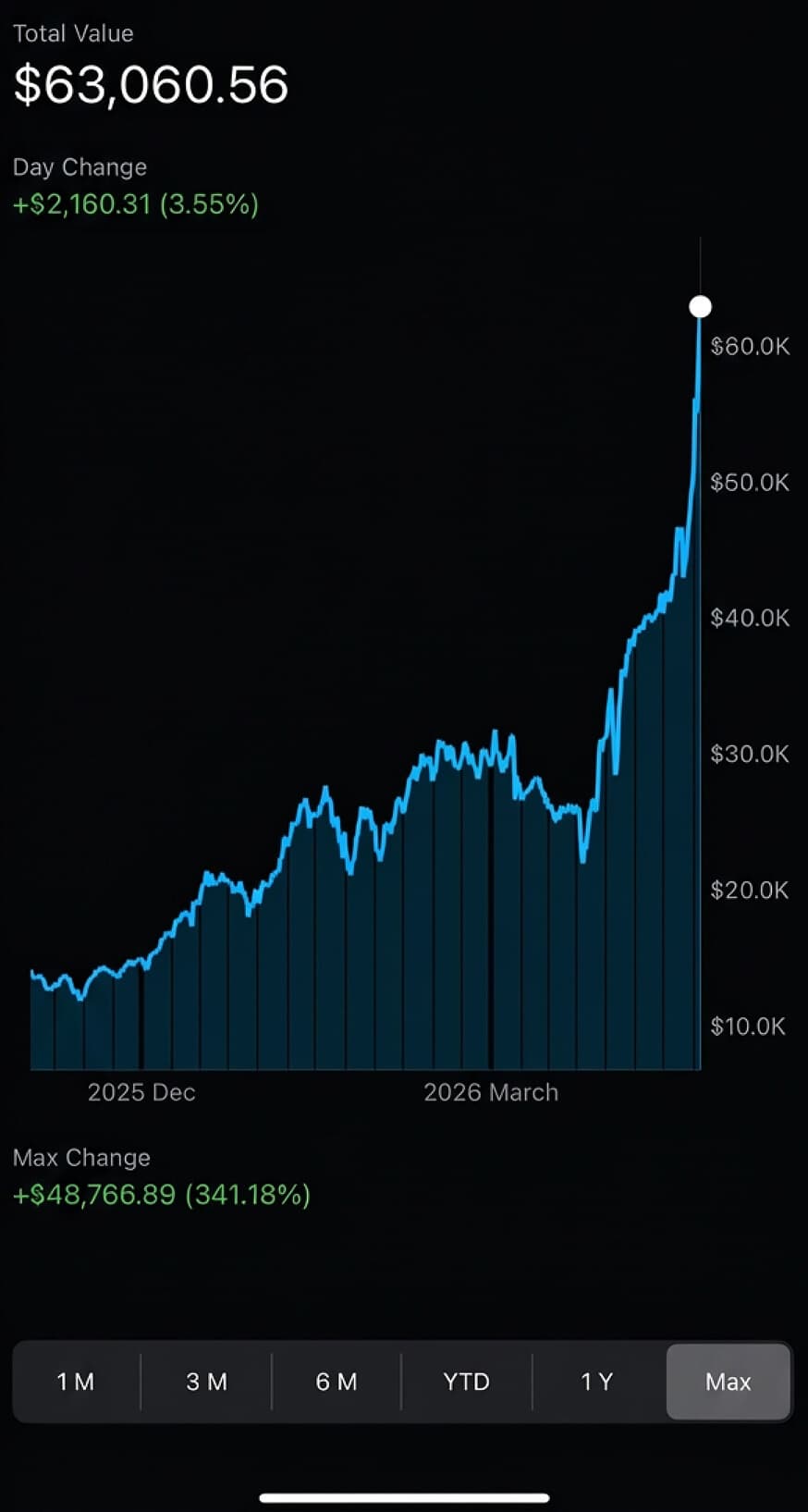
Christopher R.
EXENT AI helped me turn a messy portfolio into something deliberate and the blindspot analysis was eye opening with Gem picks that gave an additional upside.
James P.
I remember thinking the market couldn't possibly be ready to recover. Every financial channel was still predicting another decline. The system wasn't trying to predict anything, it simply identified that market conditions had shifted. Looking back, staying invested after that signal made a much bigger difference than trying to guess the exact bottom ever could.

Mark & Jennifer S.
Mark: I wanted to reduce risk. Jennifer: I wanted to stop talking about markets every evening. We simply check whether the model is Risk ON, Neutral or Risk OFF. There are no arguments anymore about what CNBC or Bloomberg said that day. It's probably the calmest we've ever felt managing our retirement savings together.

John B.
Markets have climbed to new highs while geopolitical conflicts continue almost every week. That disconnect makes investing surprisingly difficult. The system gives me something far more valuable than predictions. It gives me consistency. I don't have to decide whether today's headline matters.

David R.
I’m two years from retirement, so a large drawdown could change our plans. Exent market intel helped me focus on the risk I was taking, not just the return I hoped to earn. I feel better having a process in place before the next correction.
Robert S.
I sold during the 2020 panic and stayed in cash far too long. That taught me I needed a plan for getting back in, not just getting out. Market intel gives me a change in conditions to watch for instead of waiting until I feel certain.
Andrew C.
I retired early, so this portfolio has to work for a long time without another paycheck behind it. Exent market intel helped me think more seriously about when losses happen. I still want growth, but I’m more deliberate about how much risk I take.
James K.
I used to read market commentary for hours and finish more confused than when I started. Exent gives me one place to check the risk level. I still read the news, but I no longer feel obliged to turn every opinion into a trade.
Kevin A.
I followed so many finance accounts that I could find someone arguing for any trade. The Predictive regime cut through that for me. I check its reading, then decide whether my portfolio needs attention. It feels less like taking a vote among strangers.
Daniel J.
I used to watch every Fed announcement and try to trade my interpretation of it. With Market alerts, I can see when the broader risk picture actually changes. I’ve stopped treating one press conference as my whole investment process.
Helen G.
Financial television used to set the mood in our house. One alarming segment and we’d spend dinner discussing whether to sell. Now we check Market intel first. Sometimes there’s a reason to review our exposure; often there isn’t. Either way, the conversation is shorter.
Melissa R.
I help my mother manage her retirement account, and I want her to understand the decisions we make together. Market intelligence gives us a simple starting point. I can show her what changed and why we’re discussing exposure rather than asking her to trust my judgment.
Rachel T.
My husband enjoys making trades on instinct, and I’m the one who worries about the downside. The Predictive regime became our compromise. He still chooses investments, but we look at the overall risk reading together before making a big change.
Janet Q.
I had never paid much attention to risk-adjusted returns. Exent market intel made the concept understandable and gave me a better way to evaluate performance. I still care about growth, but I no longer assume the highest return tells the whole story.
Nathan K.
I build my own spreadsheets, so I was skeptical at first. Exent explained its signals clearly enough for me to evaluate how I’d use them. I appreciate having a defined process I can examine rather than another vague market opinion.
Frank N.
Before I consider a strategy, I want to know how it handled its worst stretches. Exent put drawdowns front and center, which got my attention. Its current risk signal gives me a practical way to apply that concern to my own portfolio.
Jason R.
I held a leveraged ETF through a long decline because I had no rule for stepping aside. The Predictive regime addressed the gap in my plan. I pay as much attention to a shift away from Risk ON as I do to a signal to increase exposure.
Samuel C.
I got tired of managing options positions that needed the market to move my way quickly. Exent’s Flagship approach gave me a simpler framework for expressing a bullish view. I can focus on the risk regime instead of constantly managing expirations.
Adam G.
I had 40 positions and a good story for every one of them, but no plan for the portfolio as a whole. The Macro regime gave me a framework above the individual holdings. Now I review overall risk before adding another idea.
Charles D.
When I stopped using an advisor, I liked having control but missed having a structured review. Exent filled that gap for me. I still make the final decisions, with a clear risk signal to consider when I review the portfolio.
Sophie N.
I review our investments on Sunday evenings. Exent market intel fits that routine because I can see the current risk level and whether it has changed. I no longer feel that managing our portfolio requires watching every move during the workweek.
Brandon P.
Trying to buy at the exact bottom mostly kept me on the sidelines. The Predictive regime gave me a different goal: respond when conditions improve, even if the lowest price is already behind us. That’s a rule I find easier to follow.
Anne F.
I’ve been through enough corrections to know I won’t feel calm during the next one. Market alerts give me a prompt to follow the plan I made earlier: review exposure when risk rises and reassess it when conditions improve.
Noah K.
I’m a software engineer, so I wanted to know what the signals meant before using them. Exent gave me a framework I could build into my own review process. I prefer that to making a decision because a commentator sounded confident.
Kyle S.
After years of watching crypto around the clock, I wanted a calmer approach to equities. Exent market intel gave me a risk reading I could check on a regular schedule. I still pay attention to markets, but I don’t treat every price move as a call to action.
Julia M.
After receiving an inheritance, I was suddenly responsible for decisions I didn’t feel prepared to make. Market intelligence gave me a simple starting framework: understand the risk environment, then think about my exposure. It made the first steps feel manageable.
Brian K.
My 27 holdings looked diversified until Market intelligence grouped them by risk. I reduced one AI fund and started researching COHR instead of adding another chip stock.
Olivia S.
Three funds, nearly the same holdings. Exent made that obvious.
Kevin B.
I came for stock ideas. Finding out my five largest holdings made up nearly half my account was the more valuable discovery.
Emily R.
The portfolio had become growth-heavy without my noticing. Market intelligence showed the drift and gave me a clear starting point for rebalancing.
Andrew F.
I used to add to whichever stock had just performed best. Now I check what the purchase would do to my whole portfolio.
Grace A.
The gems feed surfaced HWM. I liked the idea even more after the portfolio view showed it would take my research beyond technology.
Victor S.
Eleven tiny positions were making my account harder to manage. I simplified after seeing them laid out in the report.
Maya T.
My supposed 50/50 growth and value mix was closer to 75/25. Market intel caught the difference.
David L.
SNDK came up in the gems feed while I was reorganizing my holdings. I appreciated being able to research the opportunity and its effect on my allocation in one place.
Natalie F.
The gem scan surfaced ORCL, and the portfolio check showed it wouldn’t add to my chip concentration. That made it worth a closer look.
Leo H.
My speculative sleeve was 31%, not the 15% I had intended. That number got my attention.
Julia R.
Five funds sounded diversified. Their top holdings told a different story once Exent put them together.
Peter G.
I’d never viewed my three accounts as one portfolio. Exent found the same stocks repeated across them.
Sarah D.
The gems feed showed me AMAT. Before buying, I used Exent to check how it would sit beside my existing chip holdings.
Jordan B.
Exent explained why one piece of semiconductor news seemed to move my whole account. I had more related positions than I realized.
Elena W.
Two of my funds had different names but nearly identical jobs. Exent made the duplication easy to spot.
Derek S.
Roughly a third of my account depended on closely related companies. I hadn’t seen that until Exent grouped them.
Megan B.
The correlation analysis finally explained why my account fell together on bad days.
Cole R.
Exent showed that my growth ETF overlapped with stocks I’d bought directly. I adjusted the fund and kept the companies I wanted to follow.
Wendy P.
My four largest positions were more closely connected than I thought. I changed one weight and set a limit for the group.
Ben K.
The question Exent helped me answer was simple: what could go wrong together?
Karen J.
Exent found the same top companies inside my funds and direct holdings. I stopped buying the same exposure from every angle.
Henry C.
ALAB appeared in my gem scan. The portfolio check showed I had room for only a small addition to semiconductors, which helped me set the position size.
Emma K.
The drawdown view made me rethink what I could comfortably hold through a difficult year.
Jacob L.
I found NBIS through the gems feed. Exent’s risk view helped me keep it in a small, clearly defined part of my portfolio.
Tanya R.
My account had become more aggressive as its growth stocks rose. Exent caught the drift before I added another one.
Martin J.
I wanted to know which holdings could hurt the account most. The report answered that directly.
Bethany C.
Close to retirement, a deep drawdown could change my plans. Exent helped me review the exposures behind that risk.
Elliot P.
One winner had grown into my biggest downside risk. I trimmed it to a size I could hold without watching it constantly.
Lucy B.
I bought a defensive ETF and assumed it balanced my holdings. Exent showed it didn’t do as much as I thought.
Peter L.
Exent showed me how many holdings could fall for the same reason. I’d never looked at risk that way.
Helen N.
Exent showed me that protection involved position size and concentration, not just adding a hedge.
Philip C.
I could finally see which of my own holdings contributed most to drawdown risk.
Meera P.
Three tiny holdings were adding work without changing my results much. I closed them after reviewing the report.
Charles M.
One strong position had been masking several holdings I no longer believed in. Exent separated the performance drivers so I could review each one.
Kelsey D.
Two funds were doing nearly identical jobs. I kept one.
Evan C.
Exent flagged a large position I hadn’t researched in over a year. I revisited the investment case instead of letting it sit there.
Nora S.
My least researched ideas had received too much capital. Exent made that hard to ignore.
Martin P.
One winner made my overall results look better than the rest of the portfolio deserved. Exent helped me see both sides.
Bianca C.
I fixed the biggest portfolio issues first. Then the gem feed became much more useful because I knew what kinds of ideas would fit.
Damon L.
MU gave me a memory-sector idea when I’d been looking only at chip designers.
Claire J.
The gems feed got me looking at AVGO instead of following only NVDA.
Nathan B.
I’d dismissed APP without doing the work. Seeing it in the gems feed made me take a proper look.
Monica T.
Exent brought UBER to my attention while I was looking beyond AI for new ideas.
David H.
HWM was outside my usual research routine. That’s why finding it in the gem scan was useful.
Holly W.
ARGX came up while I was looking for healthcare candidates. I researched it and chose a small starting size.
Ian M.
LRCX appeared in the gems feed and gave me a semiconductor equipment company to compare with what I owned.
Denise K.
CVS appeared when my watchlist was almost entirely growth stocks. It was a useful change of direction for my research.
Cole F.
SPCX went straight onto my separate watchlist for higher-risk ideas.
Sophia R.
ALAB caught my eye in the gem radar. I checked it against my existing AI holdings before choosing a position size.
Owen C.
COHR got me interested in AI optics. The portfolio report reminded me to count it toward my wider AI infrastructure exposure.
Marissa B.
Exent put APP on my radar. I researched the business and compared it with the software positions I already owned.
Trevor M.
AVGO interested me, but Exent showed what adding it would do to my combined semiconductor exposure. I adjusted the proposed size.
Samantha L.
COHR and ALAB both looked interesting. I used Exent to set one limit for my overall AI infrastructure exposure before choosing between them.
Daniel K.
I enjoy opening Exent when I’m looking for a new idea. The picks give me a useful place to start, and the portfolio view helps me decide what fits.
Sophie D.
Overall, it’s a great platform. I found my way around quickly, and the insights are easy to understand.
Owen B.
The gems have introduced me to companies outside my usual watchlist.
Caroline J.
Exent gives me a clearer starting point for research. I still make every decision myself, but I spend less time wondering where to begin.
Benjamin C.
I enjoy browsing the gems. Even when I don’t buy anything, I usually leave with a company worth learning about.
Rachel A.
The platform feels approachable, even when the analysis goes deeper than what I see in my brokerage app.
Julian P.
Exent helps me stay curious without buying every stock that catches my eye. I can save a gem, research it and check whether it belongs in my portfolio.
Grace V.
Exent makes my portfolio easier to understand at a glance. That alone has made it useful to me.
Victor D.
I don’t want a platform that makes decisions for me. Exent gives me information I can work with and leaves the final call in my hands.
Nadia C.
Exent is intuitive enough that I started using it immediately. I especially like how easy it is to revisit a company I saved for later.
Andrew J.
The layout is clear, and the explanations sound like they were written for investors rather than analysts.
Clara P.
Exent is simple to use and consistently gives me a better question to investigate next.
Caleb A.
I check Exent before I read the financial news now. The Risk ON, Neutral and Risk OFF view gives the headlines some context.
Fiona A.
Exent market intel is the first thing I check on Sunday. I can see whether my risk plan needs attention without watching charts all weekend.
Ian A.
I thought a new market high meant I should sell. Exent helped me check the risk environment before acting on that instinct.
Lena A.
After sitting in cash too long once, I wanted a rule for reconsidering risk. Exent gives me a clearer re-entry process.
Owen A.
I found SNDK through the picks list. After checking my hardware exposure, I opened a small position and later recorded a 32% gain.
Riley A.
I thought I had balanced my account with three ETFs. Exent found that all three leaned heavily on the same companies.
Uma A.
MU came up in gems while I was focused on chip designers. I researched memory demand and kept the position modest.
Xavier A.
The report showed that my largest losers were small, but my biggest risk came from a winning stock that had grown too large.
Alicia A.
Exent made me review position size before buying NBIS. I liked the idea, but it belonged in my higher-risk sleeve.
Dean A.
Exent showed that a single sector represented 46% of my account. I changed the weights instead of adding another ticker.
Gia A.
The portfolio review caught a fund I had forgotten was still in my IRA. It duplicated two of my direct holdings.
Joel A.
I was proud of my return until I saw the drawdown it took to earn it. I resized the positions causing the largest swings.
Mara A.
My account held 31 stocks, but Exent showed that six drove most of the risk. I now review those six first.
Perry A.
The portfolio view showed that my new purchases had all increased the same exposure. I stopped adding until I rebalanced.
Tess A.
My COHR position, first found in gems, closed with a 48% gain. I liked that Exent had also helped me plan its size before entry.
Will A.
Exent revealed how much of my portfolio depended on consumer spending. I reduced one overlapping position.
Aaron C.
I took a 24% gain on MU after finding it in gems. The trade stayed small because Exent showed my wider semiconductor exposure.
Diana C.
I found RKLB among the strong buys. The risk view helped me treat it as a small speculative idea rather than a core holding.
Holly C.
The report showed that my returns came mostly from one stock. I wanted to know how the rest of my portfolio was actually doing.
Kyle C.
Exent helped me simplify four funds into two exposures I understood. It made future purchases easier to evaluate.
Nora C.
The drawdown report highlighted my largest risk contributor. It was not the stock I had been worrying about.
Riley C.
The portfolio analysis made me stop calling my collection of 40 stocks a strategy. I gave each holding a role and a target weight.
Uma C.
The picks feed introduced me to NXPI, but the portfolio report showed I had no room for another semiconductor position yet.
Xavier C.
The report exposed an allocation mismatch: I said I wanted income, but most of my account sat in high-growth stocks.
Alicia C.
I used Exent to review the portfolio after a strong year. Two winners had quietly become larger bets than I intended.
Dean C.
I researched SK Hynix after it appeared in picks. Exent helped me compare that idea with the memory exposure I already had.
Gia C.
I like how Exent links a new idea to the account I actually own. A strong buy is only useful to me if it fits my allocation.
Joel C.
I used to buy first and figure out the weight later. Exent made me reverse that order.
Mara C.
Exent found that my healthcare fund overlapped with two stocks I owned directly. I removed the duplicate exposure.
Perry C.
I found SPCX through strong buys and researched the business. Exent helped me keep speculative ideas separate from core holdings.
Tess C.
I wanted to add another stock for diversification. The correlation view showed that it behaved much like what I already owned.
Will C.
I recorded a 15% gain on ORCL after researching it from strong buys. I liked having a defined place for it in my portfolio.
Aaron D.
A 128% gain on ALAB came from a position I researched after seeing it in gems. It remained a small part of my account by design.
Evan D.
I used the report to make a short list of positions to review during a correction. That preparation has been more useful than guessing a bottom.
Holly D.
I closed a 39% gain on GE Aerospace after finding it among the gems. Exent helped me keep the aerospace sleeve within its limit.
Anthony L.
I finally understand what was dragging my performance down because it highlighted weak positions, showed smarter weighting, and flagged these gems for me: NVDA, PLTR, and NRG all came from the market radar feed. Unreal!!
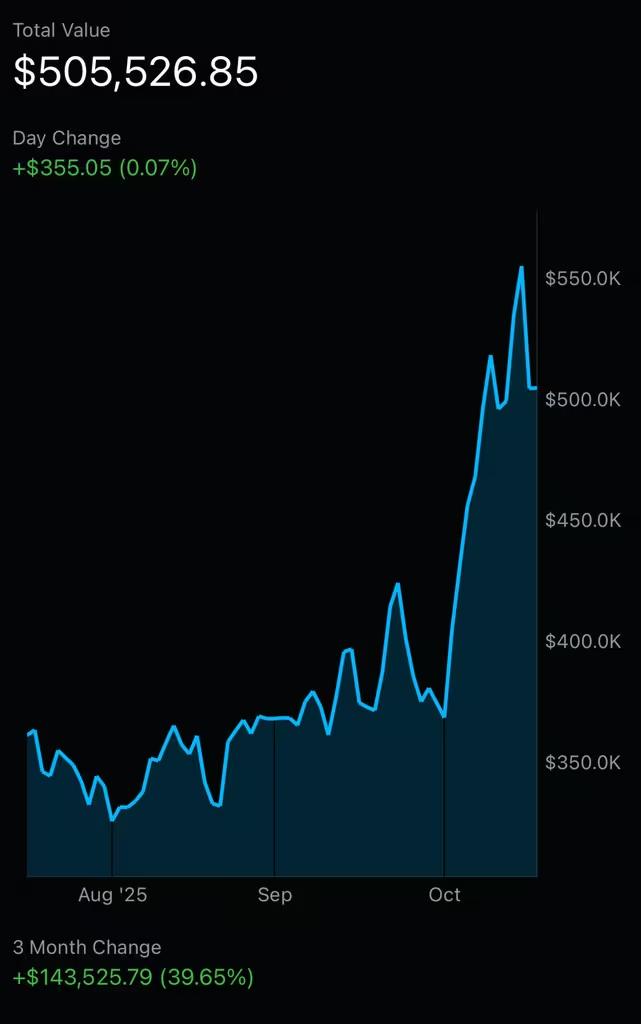
David A.
Exent gave me a full view of my blindspots including sector concentration, unnecessary risk and positions that didn’t match my goals. After rebalancing, my portfolio is up 47% in last 3 months.
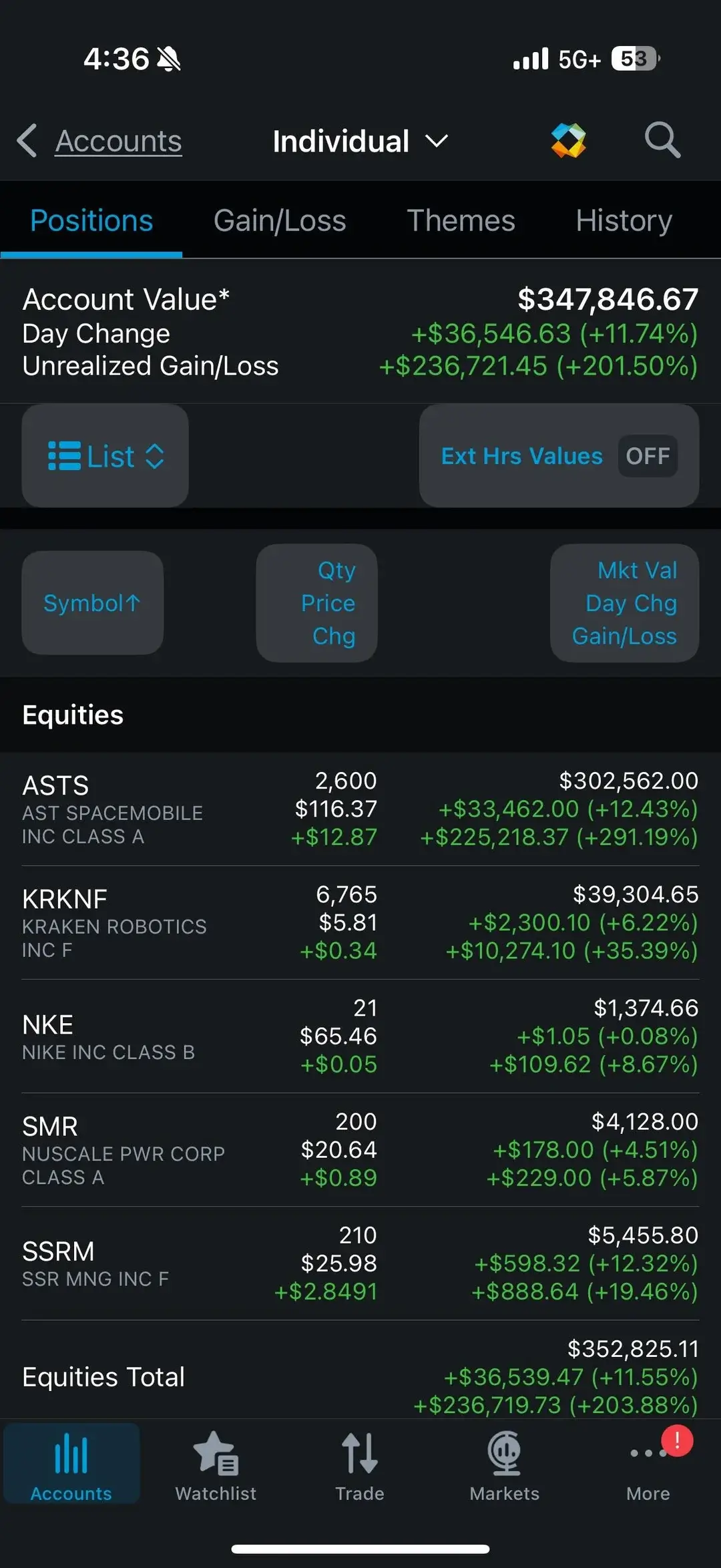
Robert L.
This tool didn’t just show me what to buy but what to stop doing and the reallocation guidance alone was worth it bringing additional performance boost of almost 60%. Also, Exent spotted NYSE: CLS before analysts. It doubled in four months.
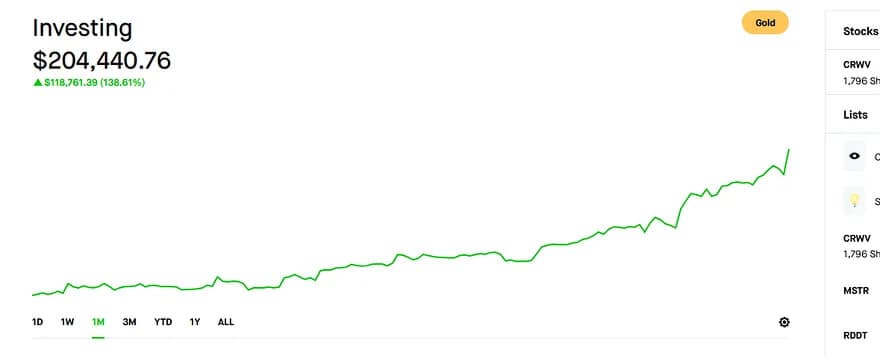
Alexander C.
I went from reactive investing to having a real strategy because EXENT improved my allocations and highlighted multiples opportunities that booster my portfolio growth.
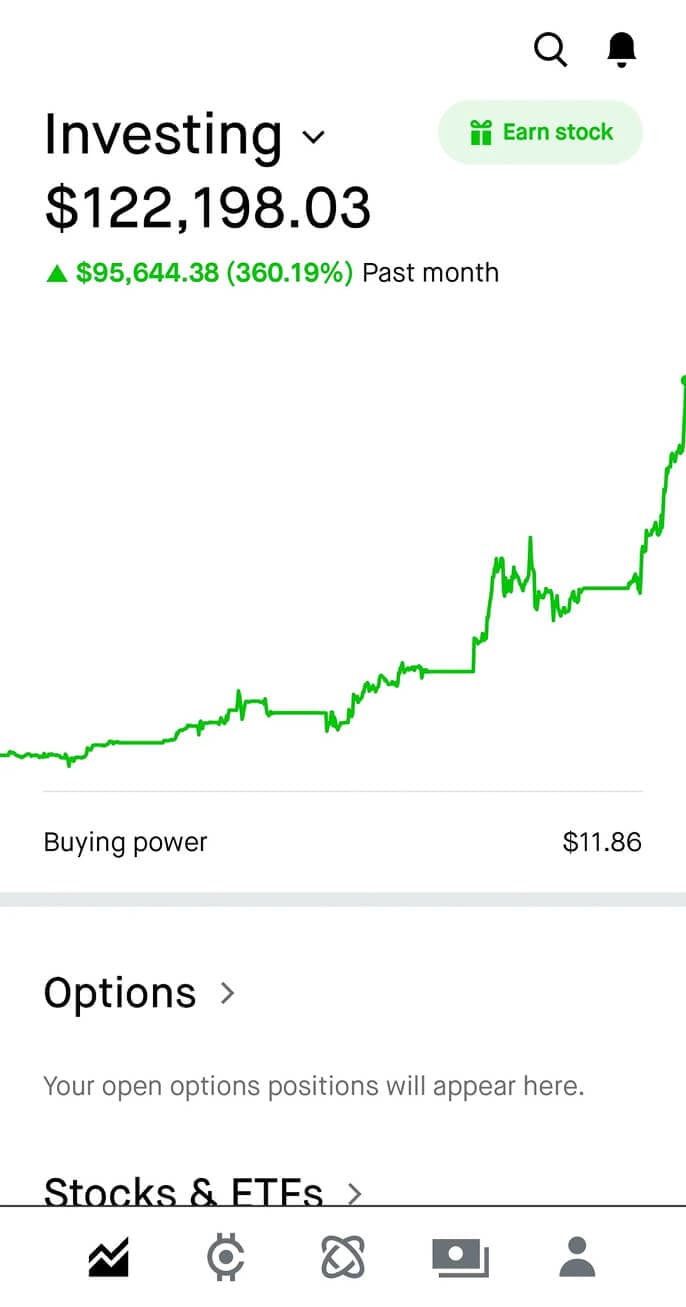
Jerry K.
The system showed me how to rebalance for better risk adjusted growth and the early identification of a strong mid cap stock made a big impact
Michael L.
I retired five years ago and my portfolio now has one job, produce income without exposing us to unnecessary risk. During the recent correction everyone was talking about Iran, tariffs and whether another bear market had started. At the same time the S&P 500 was near all-time highs. Without the model I honestly wouldn't have known what to do. The Risk OFF signal gave me confidence to reduce exposure, and when conditions improved I simply followed it back in. I made one decision instead of twenty emotional ones.

Robert M.
For years I focused almost entirely on returns. Then I saw the explanation showing why avoiding large losses is actually more important than catching every rally. Losing 50% requires a 100% gain just to recover. That simple chart completely changed my investment philosophy.

Daniel C.
I still decide what ETFs and stocks I own. Exent doesn't replace my investment decisions. It tells me whether the overall environment supports taking risk. That's a much more useful question than trying to predict where the S&P 500 will close next week.

Susan K.
The Sharpe ratio comparison immediately caught my attention. I didn't realize how much additional return had historically come from avoiding severe drawdowns rather than constantly finding better investments. That's why I moved everything into one disciplined process. I finally feel like my portfolio has a system instead of a collection of ideas.

Elaine P.
My pension covers the essentials, but I rely on my IRA for everything extra. Before using Market intelligence, I checked my balance whenever the news sounded bad and wondered whether to act. Now I check the risk level first. It gives me a calmer starting point.
Linda B.
We spend winters abroad, and I didn’t want retirement to involve checking markets every morning. With the Macro regime, I can see whether the broader environment has changed and whether my portfolio needs attention. Then I can get on with my day.
Patricia W.
Some of our savings are earmarked for our grandchildren’s education. Market alerts prompt me to review whether money we’ll need soon is too exposed when conditions change. That’s helped me treat those funds differently from the money we may not touch for decades.
Susan F.
Every new conflict used to make me wonder whether I should sell. The Macro regime helps me put some distance between a frightening headline and a portfolio decision. I check whether broader conditions have changed before I make a move.
Nancy V.
Election years used to put me on edge. I’d make changes based on what I imagined might happen months later. Exent market intel helped me bring the decision back to current conditions. I spend less time preparing my portfolio for every political scenario.
Richard E.
I’m still skeptical of the excitement around AI, but Exent helped me separate that opinion from my portfolio decisions. Its risk view gives me something broader to evaluate. I don’t have to settle the “bubble or boom” argument before reviewing my exposure.
Mark and Jennifer S.
Mark wanted less risk; I worried he’d sell at the wrong moment. Exent gave us a shared signal to discuss before changing the portfolio. We still have different instincts, but now we’re looking at the same information.
Chris and Amanda L.
With college getting close, a big decline feels different than it did when our kids were young. Market alerts prompted us to review how much of the money we’ll need soon was exposed. It made that conversation much more concrete.
Stephen B.
I help manage money for my siblings, so I need to explain decisions months after we make them. The Macro regime gives us a market assessment we can record at the time. That has made our conversations more focused, especially during declines.
William O.
I lived through 2008 and remember how different a loss feels while it’s happening. Market intelligence’s focus on severe drawdowns spoke to that experience. It helped me put a process around the risk I know I struggle with most.
David F.
My career taught me to think in probabilities, not certainties. The Predictive regime clicked for me because I can use its assessment without needing an exact price forecast. It helps me review exposure, which is a decision I can control.
Grace H.
A chart in Market intel showing how hard it is to recover from a large loss finally made drawdown risk real to me. I’d understood the math but hadn’t changed my behavior. Now I check the risk environment before reaching for more return.
Monica L.
I wanted some room for a more aggressive strategy without letting it dominate my portfolio. Exent market intel helped me think in terms of a standard core and a limited Flagship sleeve. Having risk signals for that sleeve makes it easier for me to manage.
Daniel C.
I still choose my own stocks and ETFs. What Market intelligence changed is how I decide on overall exposure. Checking the risk environment before adding to positions has made my stock picking feel like part of a portfolio plan.
Paul M.
I used to break my own investment rules whenever the news made a convincing case for an exception. Exent market intel gives me an external signal to check first. It has made me pause and explain my decision before acting.
Megan T.
My robo-advisor was a useful start, but I wanted more say in how I managed risk. Market intel gave me a way to make those decisions without following prices all day. I can keep my investments simple and still respond to changing conditions.
Edward B.
I’m careful about unnecessary trades in a taxable account. Market intelligence helps me make deliberate reviews instead of reacting to every market story. When I consider a change, I can weigh the shift in conditions alongside the tax cost.
Karen L.
After a rally, I always feel late. Market intel helps me check that feeling against the broader risk environment. If conditions support taking risk, I can consider increasing exposure without convincing myself I’ve found the perfect entry price.
Dr. Michael E.
I don’t have time between patients to follow markets closely. Exent market intel lets me check the risk environment quickly and decide whether my portfolio needs a proper review. Investing feels less dependent on finding hours I don’t have.
Captain Robert J.
As a pilot, I trust a checklist when pressure rises. Market intelligence has become part of my investing checklist. Before changing exposure, I check its risk assessment and compare my decision with the plan I made when markets were calm.
Martin F.
I worked in finance long enough to know how persuasive a market story can sound. Market intel helped me step away from the daily argument. I check the risk assessment, compare it with my allocation, and make a decision I can explain without relying on a prediction.
Aaron T.
Exent found that 38% of my portfolio was tied to semiconductors. I trimmed an overlapping fund before adding MU to my watchlist.
Rachel P.
Exent showed me how much ARKK was driving my portfolio’s swings. I cut the position to a size I could hold comfortably.
Jason H.
I wanted to buy NBIS as soon as I saw it in Market intel. Checking my existing cloud exposure first helped me decide on a sensible size.
Laura C.
Exent put SNDK on my radar, then showed that I already owned a lot of storage exposure through a fund. I adjusted the fund before buying.
Thomas V.
I removed two duplicate funds after Exent showed how closely their holdings overlapped.
Nicole W.
Exent found a concentration in consumer spending that I couldn’t see from the company names alone.
Robert N.
One winning stock had grown beyond my position limit. Exent helped me trim it according to my plan, not my mood.
Jasmine K.
Exent’s gem scan introduced me to BSX. I researched it as a possible addition to a portfolio that had become too focused on technology.
Samuel R.
I was ready to add MRVL until Exent showed it would deepen a risk I was already taking through three other holdings.
Isabel C.
Exent showed that my international allocation was smaller than I thought. Companies with overseas sales weren’t giving me the exposure I had assumed.
Eric M.
Two holdings no longer fit the reasons I bought them. Exent gave me the prompt to review both.
Amy J.
Exent identified the positions behind my risk score. I could see exactly what I was choosing to keep.
Brandon C.
A small-cap stock had become one of my largest risk contributors. I kept it, but at a size that matched my plan.
Lena M.
The report showed that I’d drifted away from the balanced allocation I wanted. Rebalancing felt easier with the actual weights in front of me.
Michael P.
My cloud fund duplicated several stocks I held directly. I removed the fund after Exent showed the overlap.
Rebecca L.
I found ALAB through Exent, but the portfolio report showed I was already concentrated in AI infrastructure. I kept the idea on my watchlist while I reviewed my allocation.
Frank A.
MRVL looked interesting. My semiconductor exposure was already full, so I watched it instead of forcing it into the portfolio.
Paula E.
The gem scan surfaced CVS while I was looking for ideas beyond technology. It gave me a different business to study as I reduced overlap in my funds.
Scott F.
I hadn’t connected the risks in my travel and consumer holdings. Exent did.
Teresa H.
I found BKNG through the gems feed. Checking it against my portfolio helped me explore a company outside the themes already dominating my account.
Gabriel M.
Exent found the same concentration in my IRA and personal account. I had missed it by reviewing them separately.
Diana S.
I was researching SNDK when Exent showed my existing MU and WDC exposure. I still considered the idea, but as part of a storage allocation rather than a standalone trade.
Louis T.
My holdings varied by industry name more than by actual market behavior. That was an uncomfortable but useful finding.
Shannon V.
I reduced one consumer holding before adding another that depended on the same spending cycle.
Robert G.
Exent identified the holdings I’d be most tempted to sell in a correction. I resized them while I could make the decision calmly.
Felicia M.
Market alerts give me a reason to review exposure when conditions change, instead of reacting to every red day.
Caleb D.
I check the Macro regime alongside my holdings during choppy markets. It keeps my review consistent.
Cynthia T.
I thought cash was my entire safety plan. Exent made me review the risks in everything else I owned.
Dennis H.
My hedge and largest holdings were vulnerable to the same scenario. I was glad Exent found that before I relied on the hedge.
Claudia F.
Market intel helps me tell the difference between an ordinary down day and a reason to review my exposure.
Adrian K.
The portfolio report showed where I was vulnerable. The Macro regime gave me a consistent way to revisit those exposures.
Allison R.
I changed my mind daily during the last correction. Now I use Exent to review the conditions I wrote into my plan.
Bryce T.
I wanted to add MU after seeing it in the gems feed. Exent showed the downside risk I’d add to an already chip-heavy portfolio, so I waited.
Erin V.
Chasing more upside had made my account harder to hold. Exent helped me reduce the positions causing that feeling.
Kevin J.
Exent helped me compare the return I’d earned with the risk I’d taken to get it.
Ava L.
My allocation still reflected goals from five years ago. Exent helped me bring the weights up to date.
Simon B.
My portfolio had grown by accident. Exent helped me give every holding a reason to be there.
Madeline K.
I went from 34 holdings to a portfolio I could actually follow. Exent showed me where the clutter was.
Gabriel F.
When a position grows beyond its target, I use Exent to review whether to trim it according to plan.
Elise N.
I was adding a new position every month. The report helped me remove duplicates and raise my standard for the next purchase.
Oliver M.
Exent surfaced SNDK. I researched it, then checked my hardware exposure before deciding how much to buy.
Maya F.
NBIS appeared in my gem scan. I researched the business and placed it in the higher-risk sleeve I’d already defined.
Eric S.
ORCL gave me an AI infrastructure company to research outside the chip names on my watchlist.
Sabrina M.
AMAT made me look beyond chipmakers to the equipment companies supporting them.
Peter R.
STX gave me another storage business to compare with SNDK and WDC.
Jasmine P.
GE Aerospace gave me an idea to investigate while I was trying to broaden a technology-heavy portfolio.
Marcus L.
BSX gave me a medical technology idea when my watchlist was crowded with chip stocks.
Priya C.
COF gave me a specific financial-sector company to research instead of adding another technology name.
Julian S.
QNT looked speculative to me. I used Exent’s portfolio view to think about risk and size before going further.
Lara D.
SK Hynix expanded my memory research beyond the US names I already followed.
Victor P.
Exent put MU, WDC and STX on one focused research list for me. Comparing the businesses was more useful than chasing whichever ticker was trending.
Cynthia G.
AXON appeared after months of semiconductor ideas. It helped me broaden my research.
Derek L.
AMAT and LRCX both made my research list. Exent helped me decide whether I needed either one alongside my existing chip holdings.
Gabrielle T.
BSX gave me a healthcare company to research while I worked on reducing concentration elsewhere.
Christopher A.
The gems feed gives me candidates like SNDK and MU. The portfolio analysis helps me decide whether adding one improves my allocation or just repeats a risk I already own.
Miriam S.
Clear layout, useful insights and no need to dig through five different tools.
Marcus P.
I check the strong buys for research ideas, then use the portfolio analysis to see whether I have room for one. That combination is why I keep coming back.
Laura M.
I like how quickly Exent gets to the point. I can see my portfolio insights, look through the picks and decide what deserves more research.
Ryan V.
I expected another complicated investing dashboard. Exent was surprisingly intuitive.
Ella F.
Good insights without making the process feel overwhelming.
David S.
I use the strong buys as leads for my own research. I appreciate that Exent also helps me think about risk before adding a position.
Amy T.
I like the balance of detail and simplicity. There’s enough information to investigate an idea without feeling buried in data.
Ethan L.
I was looking for a better research routine. Checking Exent’s gems and then reviewing my existing holdings has become that routine.
Jasmine R.
The strong buys have broadened my watchlist, while the portfolio view helps me stay selective.
Chris B.
It makes investment research feel more structured.
Olivia N.
I’ve found several companies through the gems that I wouldn’t have searched for on my own. It’s become a useful addition to my research process.
Aaron A.
The Macro regime is useful, but I would like more detail when a signal changes. I still check it before adjusting exposure.
Diana A.
A Risk OFF alert made me review my position sizes instead of guessing how long the decline might last.
Gavin A.
The Macro regime helped my wife and me talk about exposure using the same information. Our conversations are much shorter now.
Jenna A.
The risk signal helped me separate a frightening headline from a change in market conditions. That pause has been valuable.
Miles A.
The regime view has made my monthly portfolio review simpler. I know what changed and what did not.
Paige A.
The portfolio report found a 19% position I had been calling a side bet. Seeing the actual weight changed my mind.
Simon A.
The strong buys introduced me to BSX, a company outside my usual technology watchlist. It made my research more varied.
Victor A.
My portfolio looked tidy until Exent grouped the holdings by common risk. That view showed why bad days hit everything at once.
Yara A.
I was about to buy another cloud stock. Exent showed I already had plenty of exposure through ORCL and a fund.
Brent A.
I used the portfolio analysis to cut duplicate funds, then found HWM among the strong buys. It gave me an aerospace idea to research.
Elise A.
I liked the way the report separated my stock-picking decisions from my allocation decisions. They needed different reviews.
Harvey A.
Market intel put AXON on my radar. I researched it, and a 29% gain on the position later became one of my better small trades.
Kira A.
The gems list surfaced AMAT. I used the portfolio report to decide how much equipment exposure I wanted beside my chip holdings.
Neil A.
I discovered BKNG through picks. It was useful to research a travel business when my own screens kept returning AI stocks.
Rosa A.
I had been ignoring a group of tiny positions. Exent showed they added complexity without much effect on the allocation.
Uri A.
The report made my risk tolerance concrete. A 22% allocation to speculative stocks was more than I meant to carry.
Yasmin A.
I found GE Aerospace through picks and used the portfolio analysis to see how it would diversify my technology-heavy account.
Beth C.
I like that Exent gives me a reason to review a holding even when its price has barely moved.
Fiona C.
Exent caught that my taxable account and IRA were doubling the same AI exposure. I had never combined the two views.
Ian C.
I used Exent to compare a potential NVDA purchase with my existing semiconductor fund. The overlap changed my planned size.
Lena C.
I found LRCX through picks. The portfolio check showed it would raise my equipment allocation, so I started with half my usual size.
Paige C.
Exent found that my bond fund was not offsetting my equity positions the way I had expected. I revisited its purpose.
Simon C.
I closed an AMAT position with a 44% gain after it appeared in picks. The report helped me keep it separate from my chip-design bets.
Victor C.
I wanted a higher return, but Exent showed the risk I would add by concentrating more money in the same theme.
Yara C.
I took a 61% gain on NBIS after finding it in strong buys. Exent had helped me keep the position in a limited higher-risk sleeve.
Brent C.
The gems list showed me COF while I was searching for financial-sector candidates. It gave me a focused business to investigate.
Elise C.
A 73% gain on COHR came from a position I found through gems. The portfolio analysis helped me set its size before I bought.
Harvey C.
The portfolio view showed that several funds repeated my direct AMZN holding. I had underestimated the total position.
Kira C.
The gems introduced me to HWM, but the report showed I already held GE Aerospace. I compared both before choosing one.
Neil C.
I took a 28% gain on BSX after finding it in gems. It also gave my technology-heavy portfolio a different source of risk.
Rosa C.
The portfolio analysis showed that my dividend names could still draw down together. I adjusted the weights accordingly.
Uri C.
Exent helped me separate a good company from a good portfolio addition. That has changed how I research picks.
Yasmin C.
The report showed an 11% holding with little connection to my goals. I finally reviewed why it was still there.
Beth D.
Exent showed me that my “defensive” allocation was too small to change the portfolio much. I revised the weights.
Fiona D.
I found NFLX through picks and used Exent to see whether it would add to my existing communication-sector exposure.
Ian D.
Exent turned a scattered set of holdings into an allocation I can explain. The picks are useful because I know what kind of idea fits next.
A full breakdown of how your capital is working, across 12 advanced analyses. You see where risk concentrates, which holdings overlap, how your holdings behaved in past crashes, and where returns fail to justify risk. Your portfolio is also mapped against the Efficient Frontier, with the reasoning behind every finding.
Upload a screenshot of your holdings and the scan runs in about a minute. You see your risk-return profile and your biggest inefficiencies. Your portfolio scores against a benchmark matched to your actual risk, not the S&P 500.
No. There is no broker login. You upload a screenshot of your holdings from any broker or investment app, and Exent reads the tickers and positions from it.
No. Trackers show prices. Exent shows structure. It maps correlation between holdings, crash liability, and your position on the Efficient Frontier. It tells you whether your returns justify the risk you carry.
Exent does not replace your advisor. It gives you better questions to ask them. Most advisors review your portfolio quarterly. Exent reads your portfolio structure daily and stress-tests holdings against historical crashes.
Gems are curated research highlights built on Wall Street analyst tracking. Exent follows ratings from desks at Goldman Sachs, Citi, Morgan Stanley, and other major firms. When the highest-performing analysts converge on the same asset and timeframe, Exent flags it as a Gem. Each Gem includes a written thesis, not a ticker and a price target. They are research starting points, not buy signals. Gems are included free when you try Exent.
Thousands of analyst ratings publish every week. Most have not beaten the market. A small group has outperformed consistently. Exent ranks analysts by historical accuracy and surfaces only the calls where top performers agree. You get the signal without reading a single research report.
One bullish rating is an opinion. Five top-ranked analysts raising targets on the same stock within weeks is a pattern. Exent detects that pattern across thousands of ratings and shows you where conviction concentrates.
No. The ratings, rankings, and convergence detection run inside Exent. Bloomberg gives you the raw firehose for $24,000 a year. Exent gives you the filtered output.
Predictive Market Intelligence is Exent's macro regime system. It centers on the KAMBO score—Exent's proprietary macro regime score—along with daily macro briefings and exposure guidance. It is built for investors managing serious capital who want institutional regime awareness every day.
KAMBO is Exent's proprietary macro regime score. The Exent macro regime system synthesizes liquidity, credit stress, economic cycle, and sentiment into that single score. It tells you whether conditions favor aggressive, cautious, or defensive positioning. The system has flagged every major market crash and recovery since 2019. In S&P 500 backtesting, avoiding KAMBO risk-off periods nearly tripled the risk-adjusted return (Sharpe ratio). Maximum drawdown fell from -33.9% to -9.6% versus buy-and-hold. Think of it as a weather forecast for markets. It reads conditions before you deploy capital. Past backtested performance does not guarantee future results.
In backtesting across the S&P 500, NASDAQ, and Russell 2000, strategies guided by the Exent macro regime system and KAMBO score beat buy-and-hold on returns and risk. On the S&P 500, the risk-on strategy returned more while cutting the worst drawdown by roughly two-thirds. On the Russell 2000, buy-and-hold returned 32% over the test period. The same regime filter returned over 4x that. Most damage in investing comes from full exposure during the wrong periods. Regime awareness reads existing conditions and sizes exposure accordingly. These are backtested results. Past performance is not indicative of future returns.
Most market commentary is opinion dressed as analysis. The Exent macro regime system is a systematic, multi-signal composite with no narrative bias. The KAMBO score reads what institutional money responds to: liquidity flows, credit conditions, the economic cycle, and options-market sentiment. The signal updates as data changes, not when a commentator decides to publish.
Yes. The Exent macro regime system passed five independent statistical robustness tests. Cross-asset validation ran identical parameters on three indices with zero re-tuning. Out-of-sample performance improved on unseen data. A one-million-shuffle permutation test confirmed the KAMBO score is statistically real (p = 0.0001). Most market models do not survive this scrutiny. We think you should demand it before trusting any system. Past performance does not guarantee future results.
No. Exent is a research and analytics platform providing model-based insights for informational and educational purposes. It does not recommend trades, execute orders, or manage money. You stay in full control of every decision.
Try Exent for $1.95. That starts a 3-day trial with full access to your portfolio analysis and Gems. After the trial, it renews at $59/month unless you cancel. The price is shown at checkout before you pay.
Your full portfolio analysis with all 12 advanced analyses, plus Gems: the highest-rated picks from the top analysts Exent tracks, in one live list. Both unlock together at checkout.
No. Cancel anytime before the 3-day trial ends and you will not be charged $59/month. No hidden fees, no cancellation penalties.


